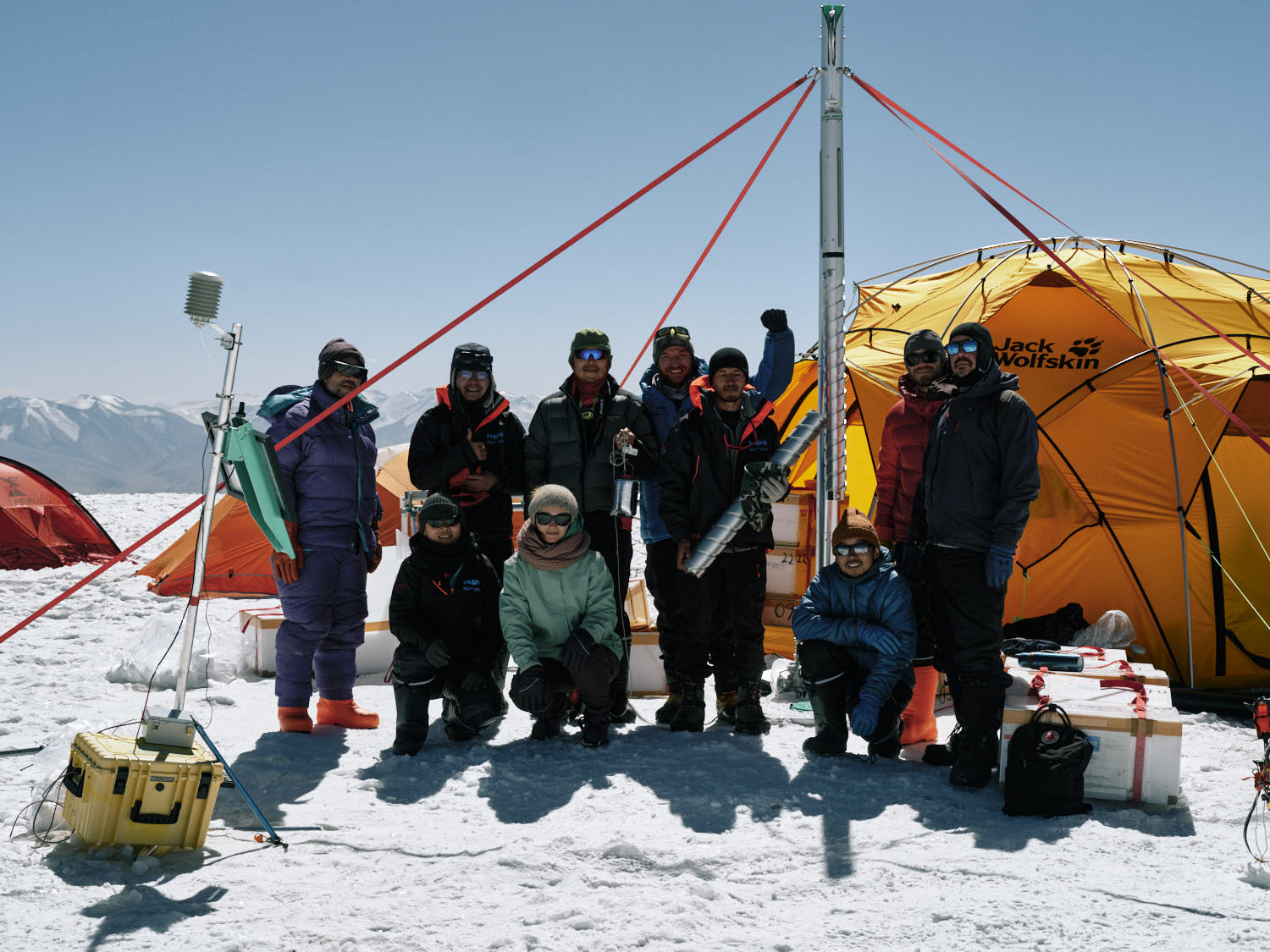
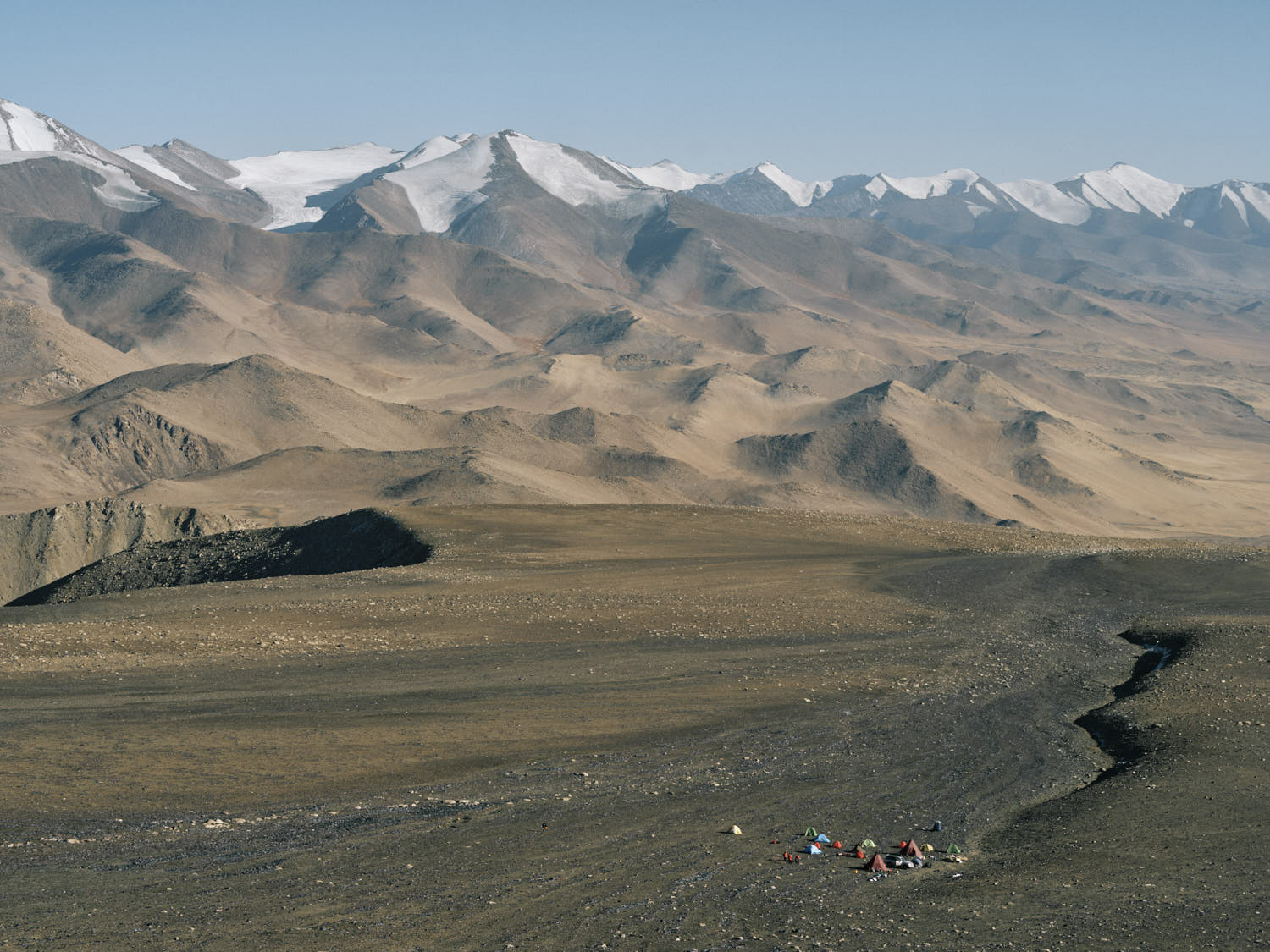
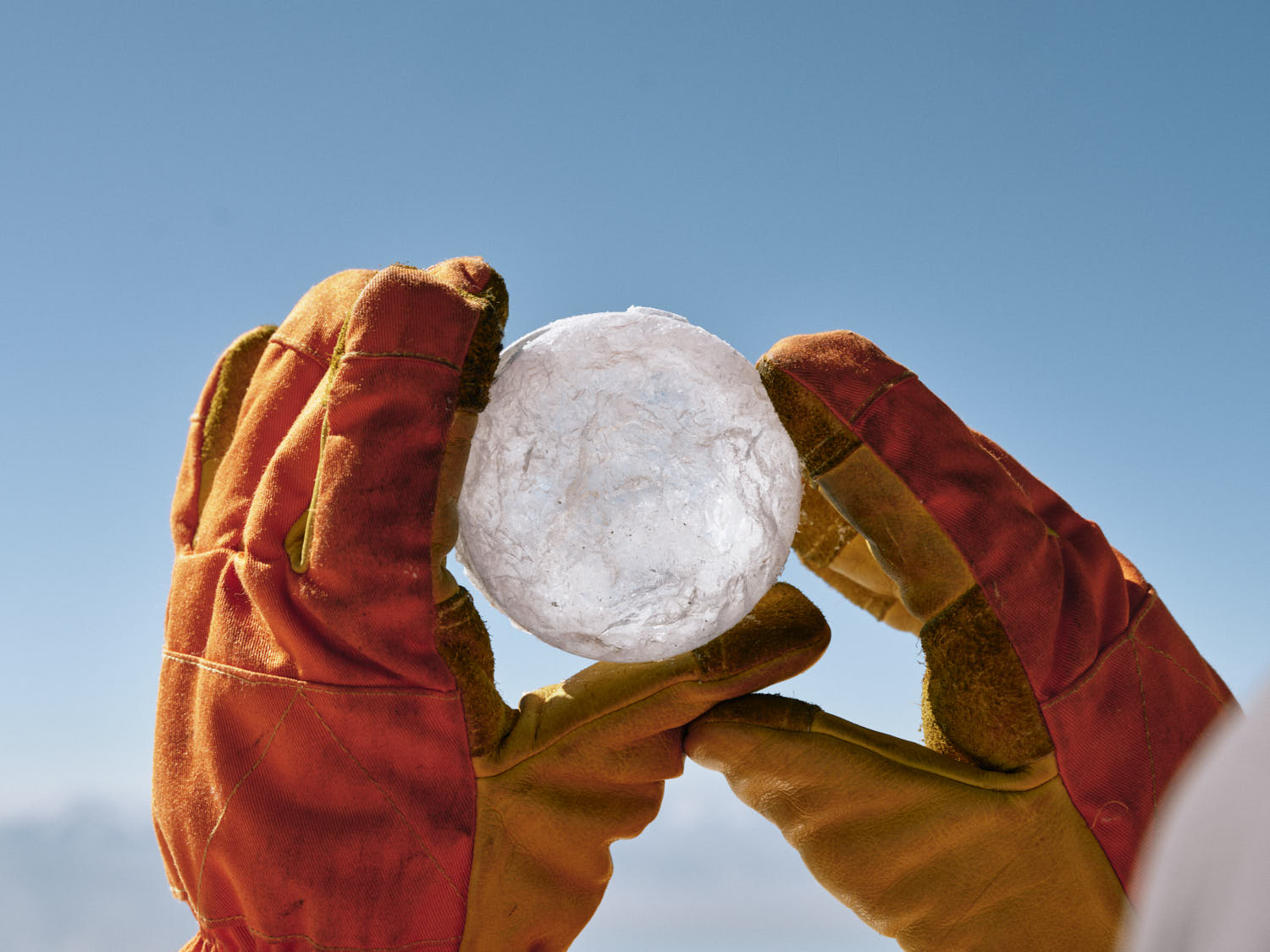
The international team of the PAMIR Project, - flagship initiative of the Swiss Polar institute, successfully drilled two deep ice cores on the endangered glacier of Kon Chukurbashi in the Pamir mountains (5814 m), eastern Tajikistan.
The expedition in a few key figures
2 deep ice cores
104,7 and 105 meters
1 core for contemporary analysis
1core for Antarctic preservation
about 700 years of climate history
Team
The expedition was conducted as part of the PAMIR Project, led by Evan Miles (Universities of Fribourg and Zurich) in close partnership with the National Academy of Sciences of Tajikistan, and it brought together an international team of scientists from various institutes:
Tomas Saks, University of Fribourg
Stanislav Kutuzov, Ohio State University
Yoshinori Iizuka, Hokkaido University
Jahongir Abdullov, Tajik Academy of Sciences
Zebokhonym Khushnazarova, Tajik Agency of Hydrometeorology
Jovidon Ochildievich, Academy of Sciences of Tajikistan
Koji Fujita, Nagoya University
Sumito Hokudai, Hokkaido University
Ivan Lavrentiev, Russian Academy of Sciences
Ken Kondo, Nagoya University
Enrico Mattea, University of Fribourg
Andreas Henz, University of Zurich
Hikaru Kondo, Hokkaido University
Sora Yaginuma, Hokkaido University
The expedition was also supported by local logistics experts and porters from Tajikistan.
Glacier
The Kon Chukurbashi Glacier, situated at an elevation of 5814 m in the Eastern Pamirs (Tajikistan), is a rarely studied glacier in a geostrategically and climatically crucial region.
It is part of the Eastern area of the Third Pole, this high-altitude region containing the largest volume of ice outside the Arctic and Antarctic.
The glacier was chosen for its climatic and scientific relevance, but also its high vulnerability due to increasing warming and regional water stress.
A distinctive feature of this glacier, the Pamir-Karakoram anomaly, was also a factor in choosing this glacier. This anomaly has led to an increase in the ice mass of glaciers in the region, despite climate change.
However, this anomaly seems to be coming to an end...
Results
Despite extreme logistical challenges—including high altitude, limited oxygen, unpredictable weather, and remote access—the team successfully drilled two complete cores to bedrock:
Core 1: for laboratory analysis
Core 2: for long-term conservation in Antarctica
The handover ceremony took place on October 13, 2025 in Dushanbe, where the Government of Tajikistan officially donated the cores to the international scientific community. The event marked a diplomatic and scientific milestone, showcasing Tajikistan’s commitment to climate memory and global research.
Scientific Analysis
The first core is currently being analyzed at the Ice Core Lab of the Institute for Low Temperature Science, Hokkaido University (Japan).
Initial investigations include:
Bulk density
Stable water isotopes
Tritium
X-ray transmission imaging
Near-infrared reflectance
Grain size and stratigraphy
Impurities, dust and debris content
Future steps include ion concentration and radiocarbon dating (C14) of deeper layers.
The first 40 meters are expected to be fully analyzed within a year, including basal dating.
An official donation from Tajikistan
Back from the field in Dushanbe and during a highly symbolic ceremony on the 13rd October, in favor of the ice memory of the Pamir Mountains,
one ice core has been given by Tajikistan to the PAMIR Consortium for collaborative analysis;
the second ice core has officially been given to the Ice Memory Foundation to safeguard it in a dedicated sanctuary in Antarctica.
This first official donation to the international scientific community within the Framework of the UN Decade of action for the cryospheric sciences.
Partners and Support
This drilling operation was funded by the Swiss Polar Institute (SPI) with the support of the Ice Memory Foundation.
Share the linkCopyCopiedClose the modal windowShare the URL of this pageI recommend:Consultable at this address:La page sera alors accessible depuis votre menu "Mes favoris".Stop videoPlay videoMutePlay audioChat: A question? Chatbot Robo FabricaMatomo traffic statisticsX (formerly Twitter)