2015: A scientific alert becomes an international initiative
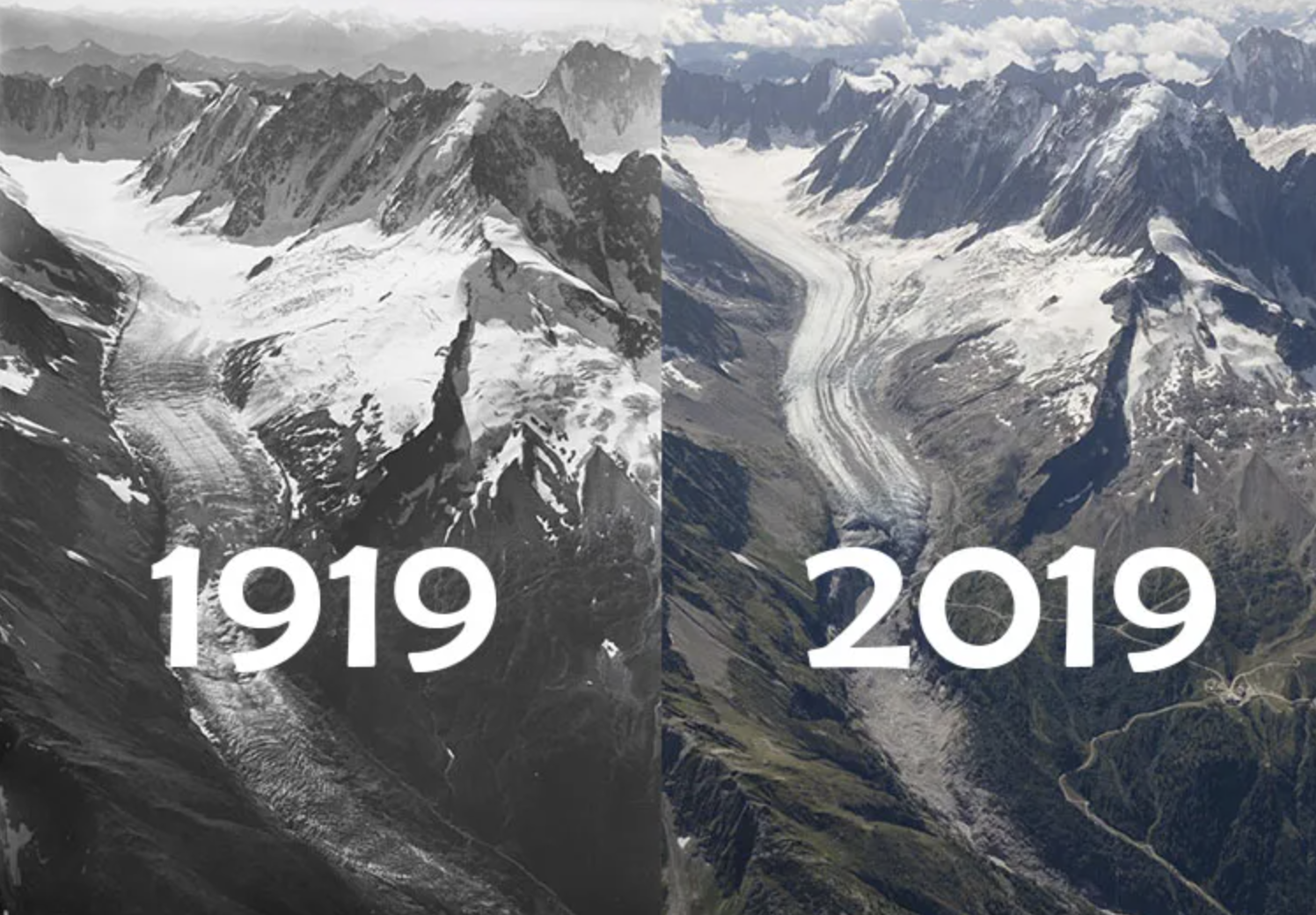
The initiative emerged from a growing scientific concern. As early as 2010, glaciologists warned that, while ice core science was advancing faster than ever, unique climate archives preserved in mountain glaciers could disappear before they could be fully studied.
The idea of preserving endangered ice cores in Antarctica for future generations began to take shape and in 2015, glaciologists Jérôme Chappellaz (CNRS), Patrick Ginot (IRD - IGE/UGA-CNRS-IRD-G-INP), and Carlo Barbante (CNR / Ca’ Foscari University of Venice) together with.
Anne-Catherine Ohlmann (Fondation UGA) launched the Ice Memory initiative with the support of the Foundation Université Grenoble Alpes and the engagement of the French and Italian scientific institutions. Their objective was clear: collect, safeguard in Antarctica and manage ice cores from selected endangered glaciers to preserve their information for decades and centuries to come for the future generations of scientists.
A turning point came in November 2014 when a storm unexpectedly delayed the departure of H.S.H. Prince Albert II of Monaco after a visit to Grenoble. What was meant to be a brief meeting became a long discussion about the future of glaciers and ultimately helped transform the Ice Memory concept into reality.
2016: The first rescue operation
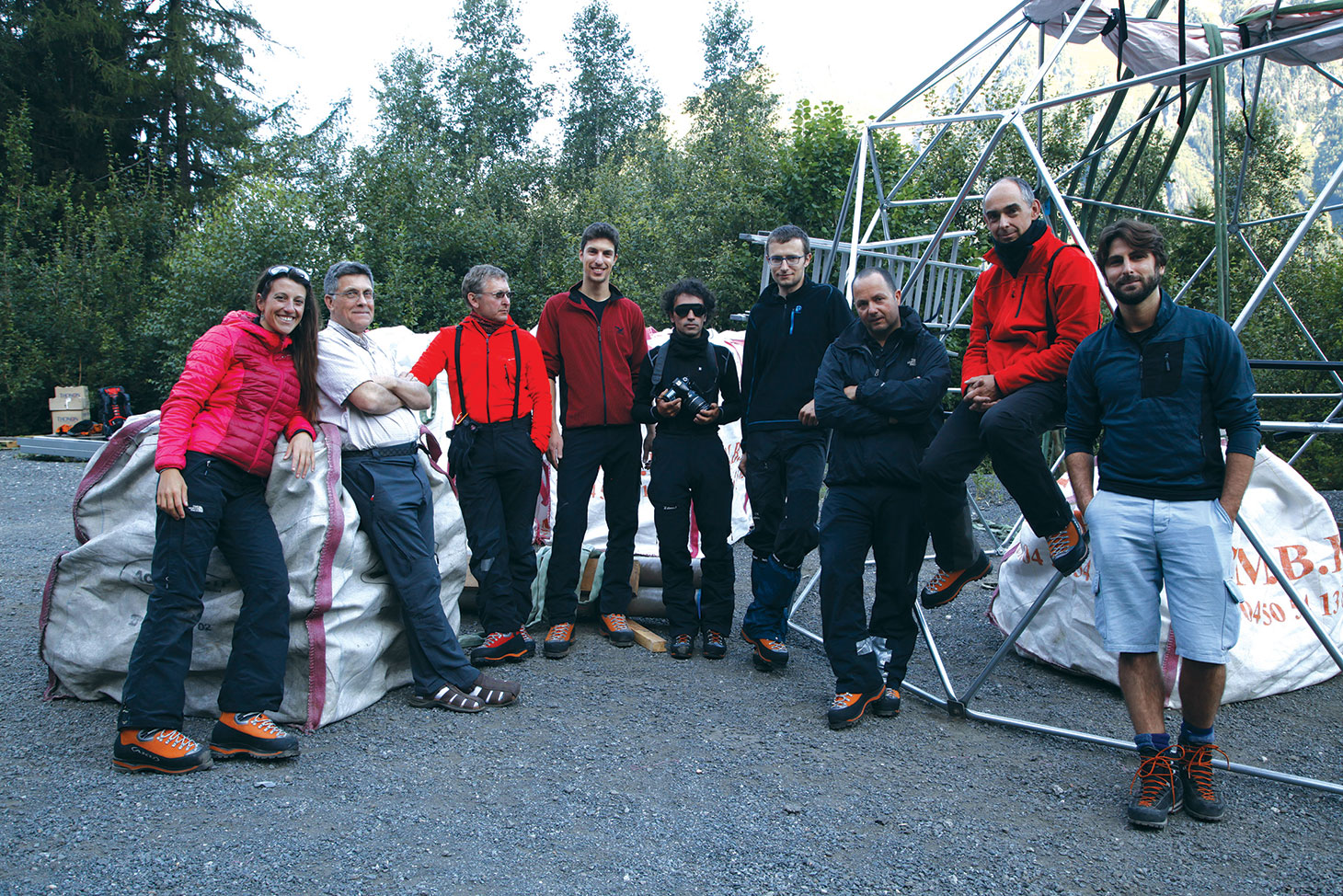
The first Ice Memory drilling operation took place in 2016 on the Col du Dôme Glacier (Mont Blanc, Alps). It was a French-Italian collaboration:IGE (Université Grenoble Alpes, CNRS, IRD), Ca’Foscari University of Venice and CNR, supported by Foundation UGA, under the leadership of Patrick Ginot (IGE, IRD).
Three ice cores, each of 128 m in length, have been extracted, one being the first Ice Memory Heritage core. This emblematic operation was the proof of concept and Ice Memory initiative developed quickly.
2017: Recognition by UNESCO
In March 2017, Ice Memory was officially launched at Unesco, Paris. Margit Schwikowski (PSI) and scientists from more than ten countries joined the initiative, strengthening its international dimension. That same year, UNESCO’s Executive Board formally recognized the importance of preserving climate archives through two landmark decisions adopted in 2017 and 2018.
2021: Structuring an International Foundation
What began as a scientific emergency gradually became a global commitment.
In 2021, seven major scientific institutions from France, Italy and Switzerland joined forces to create the International Ice Memory Foundation, under the aegis of Foundation Université Grenoble Alpes:
CNRS (France)
IRD (France)
Université Grenoble Alpes (France)
Institut Polaire Français (IPEV)
CNR (Italy)
Ca’ Foscari University of Venice (Italy)
Paul Scherrer Institute (Switzerland)
The Foundation oversees the international governance and management of the Ice Memory program, as well as the development of international scientific and philanthropic partnerships, including partnerships with international institutions such as UNESCO.
The Foundation has established an Ice Memory protocolthat defines the program’s general framework, from the selection of glaciers and drilling to storage in Antarctica.
2026 : 10 years anniversary and opening of the first Ice Memory sanctuary in Antarctica
On January 14, 2026, a historic milestone was reached in Antarctica with the inauguration of the first Ice Memory Sanctuary.
Over the past decade, Ice Memory has transformed from a scientific vision into a global movement. 10 drilling campaigns have already been coordinated with scientific partners, and supported on selected endangered glaciers worldwide, involving scientific teams from more than 13 countries.
Every year lost means precious climate archives fading away. The challenge ahead is immense: accelerate drilling operations, expand international cooperation, and preserve as many endangered ice cores as possible before it is too late.
Discover the world’s first Ice Memory Sanctuary!
Published on September 8, 2026 Updated on October 12, 2026
Share the linkCopyCopiedClose the modal windowShare the URL of this pageI recommend:Consultable at this address:La page sera alors accessible depuis votre menu "Mes favoris".Stop videoPlay videoMutePlay audioChat: A question? Chatbot Robo FabricaMatomo traffic statisticsX (formerly Twitter)